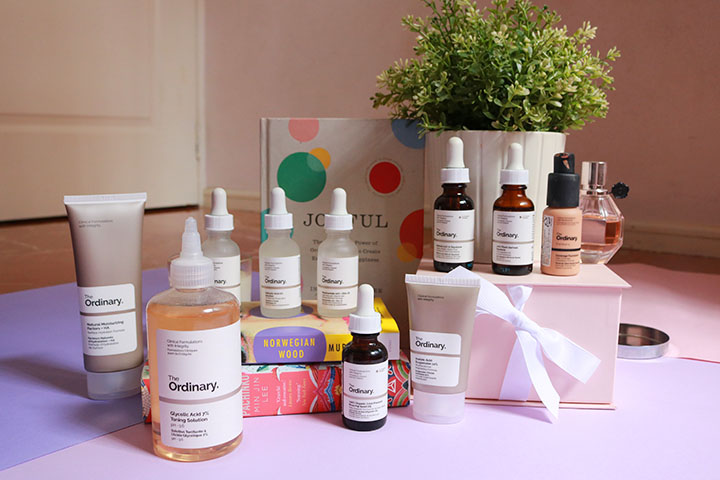
Skincare Talk: Long-lasting Non-comedogenic foundation routine for acne prone skin and acne scars
Friday, 24 January 2020 at January 24, 2020
Most of the time, I'm not bothered by how my skin looks. But that doesn't mean that I don't have days where I get very self-conscious and insecure with how my skin looks. Putting makeup on has helped me easily get over this insecurity, and it has also made my healing journey much easier and quicker, as I don't spend my day dwelling and stressing over my outer-appearance. However, although wearing makeup was able to relief my insecurity and self-consciousness, I would often feel guilty about it. I would feel as though the makeup is clogging my skin and the worse part is, it will always end up looking blotchy by night time... Until I've put together this foundation routine.
There are two main points about this foundation routine, making it very suitable for people with oily, acne-prone skin type, and also for people with acne scars to conceal.
- The products used in this routine are mostly non-comedogenic which will minimize the risk of them clogging your skin. They are also safe for the skin which will prevent inflammation, and sensitising of the skin.
- The products have high coverage and long-lasting properties.
So without further ado, let's get right into it!
I first tried the
Estee Lauder Double Wear Stay In Place Makeup in 2016 when it was kindly sent to me for free. Even though I loved it since day one, it didn't stop me from wanting to explore the countless of other highly-raved liquid foundations in the market. After many years of exploration and spending money on disappointing foundations, I finally concluded that this is indeed
the best liquid foundation in the market.
The Estee Lauder Double Wear Stay In Place Makeup liquid foundation comes in a wide range of shades, so finding one that suits your skin tone will definitely not be an issue. I'm using the shade 2C3 Fresco which falls under light to medium with cool undertones. C stands for 'cool', N stands for 'neutral' and W stands for 'warm'. Having oily skin, I hate the feeling of thick, heavy foundation on my skin. Thankfully, this foundation has high coverage. With a damp
beauty blender, I never go above one layer of foundation since that alone is sufficient to conceal most of my blemishes. For a fuller coverage, feel free to experiment with different application methods like a dry beauty blender, or your fingers, or a foundation brush.
Ingredients: Water\Aqua\Eau , Cyclopentasiloxane , Trimethylsiloxysilicate , Peg/Ppg-18/18 Dimethicone , Butylene Glycol , Tribehenin , Polyglyceryl-3 Diisostearate , Magnesium Sulfate , Tocopheryl Acetate , Polymethylsilsesquioxane , Methicone , Laureth-7 , Xanthan Gum , Alumina , Sodium Dehydroacetate , Disteardimonium Hectorite , Cellulose Gum , Propylene Carbonate , Pentaerythrityl Tetra-Di-T-Butyl Hydroxyhydrocinnamate , Phenoxyethanol , [+/- Iron Oxides (Ci 77491, Ci 77492, Ci 77499) , Mica , Titanium Dioxide (Ci 77891)]
- quoted from Estee Lauder's official website.
Due to its oil-control formulation, this foundation is able to keep my skin looking matte and non-blotchy throughout the day. In addition, this foundation is also alcohol-free, oil-free, and fragrance-free, making it safe, non-comedogenic and non-clogging for acne-prone and sensitive/sensitised skin.
Once this foundation sets, you can trust it to stay on your face for the entire day without powdering. At the end of the day, it dissolves and comes off easily with my Bioderma Sensibio Micellar Solution. Once the cotton pad comes out clean, I will "double cleanse" with my facial cleanser to ensure that no foundation goes into bed with me.
If your acne marks are light, you may stop at this very first step. If not, proceed with step two to conceal the remaining of the acne marks.
The
Benefit Boi-ing Industrial Strength Concealer provides full coverage for even the darkest spots. But unlike the foundation, this concealer only comes in 3 limiting shades. I'm using shade No.2 which is the light-medium. It's not the perfect match, but unless you were to look closely, the shade difference is not obvious. To get the maximum coverage from this concealer, I find that it is best applied using my finger. As long as you ensure to watch your hands before dipping your finger in the pan, using your finger will be a lot more hygienic and effective than a brush.
Ingredients: Caprylic/Capric Triglyceride, Phenyl Trimethicone, Isopropyl Palmitate, Euphorbia Cerifera (Candelilla) Wax, Talc, Paraffinum Liquidum (Mineral Oil), Silica, Kaolin, Cera Microcristallina (Microcrystalline Wax), Nylon-12, Tocopheryl Acetate, Phenoxyethanol, Lecithin, Benzyl Alcohol, Tocopherol, Bht. [+/-: Ci 19140 (Yellow 5, Yellow 5 Lake), Ci 42090 (Blue 1 Lake), Ci 77007 (Ultramarines), Ci 77163 (Bismuth Oxychloride), Ci 77491, Ci 77492, Ci 77499 (Iron Oxides), Ci 77891 (Titanium Dioxide)]. - quoted from Sephora.
I believe one of the reasons why this concealer is able to provide such long-lasting full coverage is its thick and waxy consistency. Although this enables me to easily obtain a full coverage without using multiple layers of concealer, the heavy waxes found in the concealer can be clogging for the skin. Not to mention that this concealer also contains a mineral oil. Nevertheless, I believe that clogging can be easily avoided as long as you don't overuse this concealer. Don't bother using this concealer on areas where you won't require it, such as your under eyes. The thickness of this concealer will definitely crease around the eye area. This is also the reason why I prefer to apply my foundation first before my concealer, so I don't use it unnecessarily.
The first two products do not require setting powders, but on days where I'll be wearing my foundation for the entire day, I like to do an additional step for my own peace of mind.
The
Jane Iredale PurePressed Based Mineral Powder is highly raved by Olena Beley, a skin coach who I used to follow because it's non-comedogenic, safe for the skin and provides high coverage. For more information on this powder, you may check out her numerous content for it (
1 |
2 |
3).
Ingredients: Mica, Boron Nitride, Dimethicone, Stearic Acid, Plankton Extract, Algae Extract, Pinus Strobus (Pine) Bark Extract, Punica Granatum (Pomegranate) Extract. [+/- (May Contain: Iron Oxides (CI 77489, CI 77491, CI 77492, CI 77499), Ultramarines (CI 77007), Chromium Oxide Greens (CI 77288)] - quote from Jane Iredale's official website.
Through her recommendation, I decided to try it out for myself. I'm using the shade Natural which is again, slightly dark for me, but the difference is not obvious. After experimenting with different application methods, I concluded that I didn't like using this on my entire face. It could be the humidity in Singapore, or my oily skin, but I find that it always gets cakey and blotchy, even when I apply lightly with a brush. In spite of that, I wasn't ready to give up on this product. It was expensive. So I started using this to very lightly set and also to provide additional coverage to the areas needed, such as the really, really dark spots, or around my nose. By doing so, I avoid caking my face, and I love that it helps my foundation last even longer.
If you are keen to try this foundation routine for yourself, I would love to know how the products worked for you! Also, if you have any other questions regarding the products, feel free to drop me an
e-mail or a
DM, and I will try my best to answer them. If you'd like to see the products in action, you may click
here to watch my Youtube video on this foundation routine.
Before I sign-off, I want to highlight that even if the products, be it skincare or makeup, are non-comedogenic and oil-free, overusing any heavy products like moisturisers or liquid foundations, can still cause clogging, and so it's important to pay attention to how much you're actually using. Personal hygiene plays a role in breakouts too. Therefore, do ensure that your applicators are well-cleaned and that you remove all your makeup before going to bed every night.
Labels: face, looks, make-up, review, skincare, skincare talk, tutorials

Skincare Talk: Etude House SoonJung Whipped Cleanser and Relief Toner Review
Monday, 7 October 2019 at October 07, 2019
Long-term use of sensitizing and drying ingredients in our skincare such as drying alcohols, essential oils, and fragrance are huge contributing factors to dermatitis aka skin irritation. Alongside, with the increase in the use of chemical exfoliants and direct acids in skincare, dehydrated and irritated skin, compromised skin barriers, has unfortunately become common skin problems these days, as these are just the usual side effects of overusing acids.
READ MORE ABOUT AHA HERE.
To avoid causing irritations to our skin in the long run which can, and most likely lead to more severe skin complications such as acne, ezcema and rosacea, I cannot emphasize how important it is to be gentle to our skin by using non-sensitizing products that are well-formulated to soothe, heal, hydrate, and repair the skin.
I have heard only good words about the Etude House Soon Jung range, and so recently, I finally decided to try it out for myself. The Etude House Soon Jung range is a fairly new range from Etude House which aims to provide relief to sensitive, sensitized, dehydrated, and irritated skin. I decided to try the pH 6.5 Whipped Cleanser, along with the cult favourite pH 5.5 Relief Toner. As much as I would love to, unfortunately, the other products in the range are not suitable for my acne-prone skin as it does contains oils and shea butter which can cause clogging and breakouts.
SoonJung pH 6.5 Whipped Cleanser
If you've
watched or
read my review on 10 facial cleansers, you might be thinking... Girl, do you really another cleanser? Well trust me, I wish I didn't, but after finding out that none of those cleansers were fungal acne
and sensitive skin safe (from what I remembered, only the Heimish All Clean Green Foam is FA safe but it contains witch hazel which is drying), I decided to pick this up knowing that it is fungal acne safe, and at the same time will not cause further irritations to my skin.
Ingredients: Water,
Glycerin,
Sorbitol,
Propanediol,
Lauryl Glucoside,
Disodium Cocoyl Glutamate,
Panthenol,
Madecassoside,
Camellia Sinensis Leaf Extract,
Butylene Glycol, Citric Acid, Glyceryl Caprylate, Ethylhexylglycerin
What a pleasant looking and short ingredient list! I never like it when I see a long ass ingredient list filled with useless ingredients like exotic plant extracts. So let's breakdown all the ingredients here.
Glycerin,
Sorbitol,
Propanediol and Butylene Glycol are humectants which makes them moisture magnets. They are a must if you're searching for a cleanser that will not dry out your skin and take away all your skin's moisture. As mentioned, dehydrated and dry skin is one of the common causes and/or symptoms of irritated and sensitized skin and so you'd want your skincare to do its best to retain moisture. Glycerin especially is a humectant our body produces and hence it will be able to work with our skin better.
You can't call this a cleanser if it ain't gonna cleanse, so that's where
Lauryl Glucoside,
Disodium Cocoyl Glutamate comes in! These two ingredients are gentle cleansing agents which provides mild cleansing to the skin. Being mild surfactants, they also contribute a little bit of foam which will help reduce unnecessary tugging and friction while cleansing.
Moving on to my favourite bits,
Panthenol,
Madecassoside, and
Camellia Sinensis Leaf Extract.
Panthenol is Vitamin B5 which is a superstar moisturizing ingredient known for its healing and soothing properties. It is said to be able to help our skin generate a healthier and stronger barrier making it the perfect and must-have ingredient in your routine if you have sensitive/sensitized skin, or if you love experimenting with acids, this will definitely help strengthen and increase your skin's tolerance level.
Macdecassoside is another awesome soothing ingredient that also has anti-inflammation and anti-redness benefits. Redness is one of the most common signs of skin irritations and it is probably also one of the most annoying signs if you are pale.
Lastly, Camellia Sisnensis Leaf Extract is simply, green tea. Green tea is well-known for its antioxidant properties which can aid in healing, and apart from that it is also a great calming and anti-bacterial ingredient.
Onto the last 3 ingredients, Citric Acid is used to balance the pH level in skincare products, Glyceryl Caprylate is an emulsifier, and last but not least, we've got a preservative, Ethylhexylglycerin.
As someone who loves foamy cleansers and efficiency, I love how this cleanser dispenses out immediately as a foam. The foam will not hold itself for long since the surfactants in this cleanser are weak, but I can give that up in exchange for it being gentle for my skin! During the evenings, I do like to go back to my Bioderma foam cleansers as I find that this is too mild to remove sunscreen and impurities accumulated throughout the day completely and I do not double cleanse when I don't have makeup on.
After using this cleanser in the mornings for a week straight, I did notice an improvement in my skin in terms of it being less itchy and irritated. Since I briefly mentioned it above, in terms of fungal acne, honestly, I wasn't even sure if I had fungal acne to begin with but as someone who does work out and sweat often, I don't see a harm in keeping my routine FA safe. At S$17.90, I find it reasonably priced since my Bioderma cleansers are nearly double the price of that. I wish in the near future they will come up with a re-fill to reduce wastage of the plastic bottle.
SoonJung pH 5.5 Relief Toner
I walked into Etude House with the intention of getting
only the cleanser, but I ended up with the Soonjung pH 5.5 Relief Toner too after realising that the cleanser is actually a pH 6.5. Prior to owning this toner, I was not using a toner in
my routine as I found it redundant considering how my cleansers are all low pH. A healthy skin pH level is a 4.7 and so in my opinion, a 6.5 is definitely alkalizing it. Therefore, I figured out that I could kill two birds with one stone by getting this toner. First, I get to bring my skin's pH level down. Secondly, I can also try the cult favourite from the entire Soon Jung collection.
Ingredients: Water,
Propanediol,
Glycerin,
Betaine,
Panthenol,
Madecassoside,
Camellia Sinensis Leaf Extract,
Scutellaria Baicalensis Root Extract, 1,2-Hexanediol,
Butylene Glycol, Ethylhexylglycerin, Carbomer,
Polyglycerin-3, Disodium Edta
While my motive for using this toner is because I wanted to lower my skin's pH, I really appreciate that it is also packed with moisture retaining ingredients such as
Propanediol,
Glycerin,
Betaine,
Butylene Glycol, and
Polyglycerin-3. Even though it might not seem like it, dehydrated skin is the source of many skin complications and diseases including dermatitis, eczema, rosacea, pre-mature aging, and even acne (yep, so stop drying out your pimples!), and it doesn't require a genius to figure out that healthy skin = well-hydrated skin = clear skin. Therefore, I am always happy to increase my skin's ability to retain moisture as long as I'm not using clogging ingredients like facial oils.
Apart from the same 3 amazing, soothing, and healing ingredients (
Panthenol,
Madecassoside,
Camellia Sinensis Leaf Extract) found in the cleanser, this toner also contains
Scutellaria Baicalensis Root Extract, which has similar soothing benefits. In addition, it supposedly also carries anti-fungal properties, even though it is not a well-known ingredient to treat fungal acne.
There are two ways I like to incorporate this product into my routine. The first method is to simply pat it gently onto my face like an essence (skip the cotton pad for this if you want to save product and the environment!), and the second method is to soak it in a cotton pad and placing it onto any irritated areas.
Coincidentally, when I begun using this product, I had a pretty bad hormonal breakout on my jawline. It was painful, inflamed, and red, so that was when I started soaking this product and letting it sit on the breakout. This has since then become a new must-have in my routine and I even love bringing it with me to the skin to help soothe my skin after a productive workout session. One thing I believe everyone should note is that you should still go in with a moisturizer before this product dries up to seal the moisture in. In other words, do not use this as a facial mist if you're not going to apply a moisturizer right after.
READ MORE ABOUT HOW YOU SHOULD BE MOISTURIZING YOUR SKIN.
In conclusion, the products are amazing! They are truly gentle and suitable for all skin types. If you have oily skin, I will suggest you go with a slightly stronger cleanser for the evenings (the Bioderma ones are super awesome if you do not have fungal acne), or you can also choose to "double cleanse" with the Bioderma Sensibio Micellar Solution first to remove your sunscreen before going in with this one. The toner is simply amazing and so I highly recommend it!
Labels: beauty, face, korean, review, skincare, skincare talk, tips
Skincare Talk: The truth about essential oils.
Sunday, 29 September 2019 at September 29, 2019
"Tea tree oil is actually good for acne."
"Tea tree oil is used to treat acne."
"Tea tree oil is safe to use with a carrier oil."
"Tea tree oil is safe to use when diluted."
I get comments like these, all the time, ever since I started eliminating essential oils in my routine. Therefore, today we're gonna set things straight, once and for all. By now, you would have, hopefully, probably, already seen or heard many people telling you to avoid essential oils in your skincare, including myself.
But why? For centuries, we have been using essential oils. Essential oils are most often used in aromatherapy where they are being inhaled, they are also commonly used in medicine where they are being digest, and lastly in skincare products where they are being applied onto the skin... So what is so wrong about it? Why are some people so against about using essential oils? Isn't some essential oils like tea tree good for your skin?
Well, if you're burning with questions like this (or if you want to finally take good care of yourself and your skin), keep on reading.
Essential oils are the essence of the aromatic plant in which they are being extracted or derived from, and what they carry is the characteristic of the fragrance or scent of the plant. They can be extracted from different parts of the plant such as its bark, root, leaves, flower, and so on. Essential oils are made up of many different components. Some essential oils contains components that have the ability to kill bacteria, reduce inflammation, and etc. So yes, you're right, some essential oils do have components that are scientifically proven to provide such benefits. But needless to say one of the main component that is present in
all essential oils is the one carrying the fragrance of the plant. In other words, all essential oils contains fragrance.
Side note: Essential oils are not to be confused with oils such as rose hip seed oil, hemp seed oil, castor oil, olive oil, jojoba oil, etc. Oils do not carry fragrance in them and are generally safe for the skin and body.
Let's press pause on our talk about essential oils and talk about fragrance for a minute. If someone has told you to avoid essential oils, it's most likely that they're gonna tell you to avoid fragrance too. Again, why? Because
fragrance is toxic.
Highly, toxic, chemicals. You're probably not gonna believe me just like that, so below are a few articles which I find very informative and I would suggest you read through them as well to get a better understanding of fragrance, especially the second and third one as it focuses on fragrance used in consumer products and in skincare.
1. The International Fragrance Association (IFRA) lists 3,059 materials that are reported as being used in fragrance compounds. Of these 3,059 ingredients, some have evidence linking them to health effects including cancer, reproductive toxicity, allergies and sensitivities. (source)
2. Fragrances are linked to a staggering number of health risks. Across multiple research studies, chemicals used to make fragrances are classified as allergens, hormone disruptors, asthma triggers, neurotoxins & carcinogens. The punchline: fragrances are highly toxic. (source)
3. Some essential oils for acne-prone skin such as rosemary, lemongrass, thyme, cinnamon, citronella, and tea tree oils do have research showing them to be helpful. But they also cause significant irritation and haven’t proven to be as effective as the gold standard active ingredient for acne, benzoyl peroxide (which research shows can even reduce redness!). (source)
Okay, so fragrance are bad, but what has this got to do with essential oils? I googled if essential oils are toxic and the top results all tells me that it's good stuff for the skin and body!!
Right. Because that's what the industry wants you to focus on, the good compounds of essential oils where studies have shown to provide skin benefiting properties. But remember what I said earlier on? One of the main component that is present in
all essential oils is
the one carrying the fragrance of the plant. In short, all essential oils, are essentially (no pun intended) fragrance.
Many of the natural essential oils that form the basis of fragrances have adverse or toxic effects that have only recently been recognised. The properties that make the chemicals in fragrances able to vaporise easily and stimulate our sense of smell also mean that many are highly reactive and able to stimulate immune reactions. (source)
Fragrance is basically a blend of aromatic extracts from natural and synthetic ingredients. Used in nearly 50% of beauty products, it actually has a LOT of unknown toxic chemicals that can be harmful to you. Without you knowing, fragrance can irritate skin, have toxic hormonal effects, and may even cause cancer. It may smell fabulous, but it can lead to not-so-fabulous effects on your skin and health. (source)
"
Natural fragrance" is just another fancy term for essential oils to trick you into thinking that there are "good" fragrance when in reality, there is none. Marketing is manipulative!
It is noted in some studies that essential oils can be safe to use and non-irritating when it is being diluted to a
maximum of 0.1% concentration (
source). But as mentioned on Paula's Choice website, "lots of skincare products contain more than one essential oil, or far more than 0.1%", since essential oils are not tested for safety by the FDA before they are being sold (
1 |
2 |
3). If you're an avid user of tea tree oil for spot treating acne, you might have heard of the Thursday Plantation tea tree oil which contains 100% tea tree oil. 100%! Another infamous tea tree oil product I know is the one from The Body Shop and it contains 15% of tea tree oil concentrate (
source). The best part? Neither of both mentioned diluting the oil before in their directions. Even if you're kinda smart and you're aware of diluting essential oils, how would you ensure that your 100% or 15% oil is being diluted down to a 0.1% or less concentrate?
So, despite knowing that essential oils are highly toxic, let's assume you still refuse to give up on essential oils because it's been working for you. You've seen your spot become smaller the next day and there's no signs of irritations! Maybe it'll irritate sensitive skin, but you have normal skin!
Skin is very good at hiding when it’s being irritated. So, even if you don’t see a reaction, the damage is still occurring beneath skin’s surface, cumulatively leading to problems you will see later on. Irritation is pro-aging, the opposite of what most adults want from skincare. (source)
Here's the thing about sensitive skin, you can be born with it, or it can be acquired and in this case, we called it 'sensitized skin'. One perfect, living example is myself. I wasn't born with sensitive skin and I've even mentioned this fact multiple times in my videos throughout my years on Youtube. I've used countless of skincare products ever since I was a teen and none has ever given me any forms of irritations, not even redness, until I turned 26. Now, as you've guessed it, I have sensitized skin. Despite having oily skin, whenever I use a product now that contains heap loads of crap like drying alcohol, essential oils and fragrance, my skin will start to peel, feel tight and dry, and that will sometimes lead to itching due to the irritations. If you've been using skincare products containing harmful ingredients for an extended period of time and all of a sudden you're breaking out or showing other signs of irritations, and you're not sure why this product has "suddenly stopped working" for you, that should be a clear sign that your skin has finally tolerated enough of your abuse.
In conclusion, essential oils are really just fragrance with very little pros to outweigh the severity of its cons. There are simply no good reasons why you should use essential oils because you can easily find much safer ingredients in the market that provides the same benefits, without harming the health of your skin.
Labels: beauty, face, review, skincare, skincare talk, tips
Review: All of The Ordinary Products I've Tried (So Far)!
Monday, 2 September 2019 at September 02, 2019
The Ordinary is taking the skincare scene by storm and at this rate, it honestly feels like you can't have a complete, effective skincare routine without at least one product from The Ordinary. After hearing only good stuff about the brand, I finally got the chance to grab some of the highly recommended products when I was in Seoul. Fast forward to 4 months later, today, I thought I'd share with you my thoughts on all of The Ordinary products I've tried so far.
1.
The Ordinary Hyaluronic Acid 2% + B5
Two words, holy grail. The simplest way to step up your hydration game without the use of clogging ingredients such as oils, is to incorporate a hyaluronic acid serum in your routine. So far, this is the best one I've found in the market as it contains 2 different types of hyaluronic acid in the formula, Sodium Hyaluronate which is the second ingredient, and Sodium Hyaluronate Crosspolymer which is the fifth ingredient. This serum is oil-free, alcohol-free, fragrance-free, and most attractively... It's cheap. Oh right, it also contains vitamin B5 (Panthenol, which is the sixth ingredient) which supports the healing of the skin. Perfect product if you have dehydrated skin or a weakened, compromised skin barrier, or if you love using acids and experimenting with acids in your routine, this will definitely help support your skin's tolerance level.
This is a product I use every day and night without fail in my routine and it's a product that I'll always have backups of.
2.
The Ordinary Niacinamide 10% + Zinc 1%
This was the first product I used from The Ordinary and it made me go from "
ugh I hate my skin" to "
I'm finally confident about my skin again!" in just one week. Needless to say, the two main ingredients in this are Niacinamide (second ingredient) which helps to reduce the appearance of redness, blemishes, and also skin congestion. And Zinc (fourth ingredient), which regulates sebum production and fights acne-causing bacteria. It is said that using niacinamide and vitamin C can cause them to cancel out each other, and while there hasn't been a solid research to prove that, it doesn't hurt to avoid the risk.
While this product improved my skin drastically when I first incorporated it into my routine, I find that it was unnecessary for me to use it every single day. I tend to use this only as a "spot" treatment, so just one tiny drop for my problematic areas.
3.
The Ordinary Natural Moisturizing Factors + HA
Containing a handful of fatty alcohol, humectants, and emollients, this is a great and affordable moisturizer which is safe for all skin types since it is alcohol-free, fragrance-free, oil-free and essential oil-free. This used to be my go-to, main moisturizer until I switched to the Bioderma Hydrabio Gel Creme. Right now, I still use this after the gym, but in comparison, I prefer the one from Bioderma since it feels a lot more lightweight, making it easier to blend out into my skin. Nevertheless, this is still an awesome product which I highly recommend if you're in search for a good, and affordable oil-free moisturizer.
4.
The Ordinary 100% Plant-Derived Squalane
If you have to use an oil in your routine and you're oily, acne-prone, this is the only oil i'll recommend. I did have a few really stubborn dry patches around my skin until I started incorporating this as my last step. Squalane is a substance that is found and produced naturally in our body by our sebaceous glands, hence, it is technically a part of sebum. It is an emollient which means it helps to smooth your skin, protect your skin, while also providing occlusive properties thus preventing TEWL (transepidermal water loss) a.k.a loss of moisture through evaporation. Personally I find that this is the best occlusive I've used so far in comparison with vaseline because vaseline although is a safer option as compared to oils, it is quite uncomfortable on your skin since it's wax and it's super sticky.
Again, if you are oily, acne-prone, just keep in mind that you should avoid overusing emollients so a maximum of 1-2 drops is enough and if you only have a few dry patches, just use it on the dry patches.
*If you have moderate to severe acne, this isn't a product you should be using.
5.
The Ordinary 7% Glycolic Acid Toning Solution
You can really get the biggest bang out of your buck for this product because it's cheap and comes in a huge bottle! I mean compare it with the overpriced glycolic acid products from Sephora like the Pixi Glow Tonic, or the Alpha-H Liquid Gold...
The skin on my face hates glycolic acid, in a sense that it's too strong for my skin. I have tried to use this on my face once and immediately the next couple of days, flaky skin around my nose... Therefore, I've been using this on my body instead since I do have mild chest acne and also because I workout a lot, my skin can really use some gentle exfoliation. So far it has been doing an awesome job, it hasn't irritated the skin on my body, I use it once to twice a week on my chest, shoulders and back, and I really do see a huge difference in the healing of acne marks caused by the chest acne.
6.
The Ordinary 100% Organic Cold Pressed Rose Hip Seed Oil
Rose Hip Seed oil is known to help the fading of acne scars which is the reason why I bought this oil in the first place. After learning how it can, and will cause clogging (so far it hasn't cause me to breakout, but I did read some reviews claiming that it broke them out), I chose not to take the risk and so I've started using this on my hair instead. Ultimately, it's up to you to decide if you want to risk getting your pores clogged or not, but if you have moderate or severe acne, I highly suggest you focus on prevention first, rather than dealing with your scars. Instead of oils, you can also opt for AHA to fade acne marks.
7. The Ordinary Retinol 0.5% in Squalane
I admit that I haven't used this long enough to see any big difference because I actually broke out whilst I was using this. Of course, it might not be due to this product, but looking at how this actually contains jojoba oil... There is a chance that this was clogging my pores. Again, if you have acne-prone skin, maybe stay away from this for the time being. For acne-prone skin, instead of Retinol, I will recommend Retinoid instead since Retinoid is more proven to be beneficial for healing acne and preventing acne and acne scars.
8.
The Ordinary Azelaic Acid Suspension 10%
Azelaic acid helps fade acne scars by brightening the skin tone, and it also helps unclog pores, making it a superstar ingredient for treating acne and blemish-prone skin. Apparently it's also a really popular ingredient for treating redness related to rosacea. This product has a few nasty side effects, and so it is advised to incorporate it into your routine slowly.
Some of the side effects of using azelaic acid includes burning, stinging sensations, and my worse fear, itching. Twice, I had to wash it off my skin because I thought it was going to melt my skin off. Seriously. So after that, I learnt to introduce it slowly by only applying it to one or two troubled areas instead of all my troubled areas at once. Always remember that your skin should feel comfortable so if the stinging doesn't go away in 2 minutes, rinse it off! In terms of the results, I haven't seen a drastic difference, possibly because of how scared I am to use this often.
9.
The Ordinary Salcylic Acid 2% Solution
I freaking love BHA. If you have hormonal acne especially, it's definitely an active that i will highly recommend you to to incorporate into your routine because BHA is oil-soluble allowing it to penetrate deep into our pores to unclog pores, so it basically prevents pimples from forming and of course prevention is always better than cure. I've not used this much to be honest because I find that the formula can be quite harsh on my skin since the formula is rather basic and I do have sensitized skin. But if you don't have sensitized skin, this is an amazing product to prevent clogging.
10.
The Ordinary Coverage Foundation
Base makeup is equally as important as skincare because it's still a product that goes onto your skin. So this is a good foundation that doesn't contain any harmful drying ingredients such as alcohol, essential oils, fragrance, as well as oils if you are oily and acne-prone. The shade is a little too dark for me so it's not a foundation I gravitate towards. In terms of the finish, this has a matte finish and I recommend only using a light layer because it does cake a little bit if you overuse it. Personally, I don't like heavy foundation so I do like this a lot. In addition, it's not easy to find a foundation that doesn't contain harmful or clogging ingredients and is affordable at the same time, so I'll definitely be purchasing another shade.
So those are all the products I've tried from The Ordinary so far. As I'm typing this, I am starting to incorporate a few new products in my routine so you bet there will be a review for a second batch of products!
WATCH THE VIDEO REVIEW HERE.
Labels: beauty, face, make-up, review, skincare, skincare talk
Skincare Talk: Hyaluronic Acid
Friday, 16 August 2019 at August 16, 2019
Dealing with dry skin? Dehydrated skin? A compromised skin barrier? Acne? Acne scars? Redness? Skin sensitizing? Skin irritants? Damaged skin? Hydrate. Hydrate, hydrate, hydrate. Because I have oily skin, I've always thought that hydrating my skin isn't
that important, but the fact is, hydration is the solution to every skin problems. If you've read my blog post on
how to moisturize your skin the right way (if you haven't already, you need to read it!), you'll know that there are 3 key components when it comes to moisturizing your skin.
Moisture → Humectant → Emollient.
So in today's Skincare Talk, I will be talking about my favourite humectant, Hyaluronic Acid.

Hyaluronic Acid is a clear, gooey humectant naturally found in our body and humectants in skincare, are substances that attracts and retains moisture. Just like
AHA, hyaluronic acid comes in different molecule sizes and as usual, size matters (that's
not what she said). If the molecule size is too big, it might not be able to penetrate deep into our skin to deliver any benefits, and if the molecules size is too small, it might have an adverse effect on our skin. Fortunately, unless you're a chemist who formulates your own skincare products and hyaluronic acid... There's not much to worry about hyaluronic acids having a negative side effect on our skin.

Think of humectants as moisture magnets. While there are many different types of humectants such as glycerin, AHA, sodium PCA, etc, hyaluronic acid tops the list for me as it can impressively attract and hold up to 1,000 times its weight in water. With hyaluronic acid, we can ensure that our skin is well-moisturized and therefore healthy, plump, and youthful looking.

Since our body produces hyaluronic acid, why do we still need to topically apply hyaluronic acid on our skin? As we age, the amount of hyaluronic acid in our body decreases due to external factors as such as sun exposure, which means our skin's ability to retain moisture, drops. Like I said, hydration is the key to solving all skincare problems, so that also means that dehydrated skin is the source of all skin problems. Dehydrated skin causes acne, peeling, irritations, infections, damage, and of course, all signs of aging. Thus, it is important that we support our skin's ability to hold as much moisture as it could. If you have normal skin, using a regular moisturizer might be sufficient as all moisturizers contains all 3 components (moisture, humectant and emollient), but if you're a person who uses acids like AHA or BHA, or if you have sensitive skin, or dehydrated skin, incorporating hyaluronic acid in your routine will definitely increase your skin's tolerance to potential skin irritants.

As mentioned, there are a few types of hyaluronic acid depending on its molecule size. Most (good) skincare products will include a mixture of a few different types of hyaluronic acid to provide maximum benefit for your skin, so don't be surprise to see a few of them in just one product. Thankfully, the common hyaluronic acids all have similar names, so it's not difficult to distinguish them in the ingredient list. A few of the most common hyaluronic acids are Sodium Hyaluronate, Sodium Hyaluronate Crosspolymer, and Sodium Acetylated Hyaluronate. If you're interested to know more about how the different molecule sizes will affect our skin, Hada Labo, a great brand to go to if you're keen to start using hyaluronic acid in your routine, has explained the differences in simple terms
here.
There are countless of hyaluronic acid serums and essences in the market at the moment, but always make sure to check the ingredient list. Here's why. The
La Roche Posay Hyalu B5 serum is a popular one that I've seen many Youtubers including Liah Yoo recommend. However, when we dive into the ingredient list, this $55 serum has alcohol as its third ingredient and hyaluronic acid is its 12th ingredient... EH. The
Drunk Elephant B-Hydra™ Intensive Hydration Serum states sodium hyaluronate as one of its key ingredients but this $74 (omg) serum has Sodium Hyaluronate Crosspolymer as its 13th ingredient and Sodium Hyaluronate as its 17th ingredient... The $64
Sunday Riley Tidal Brightening Enzyme Water Cream has hyaluronic acid listed as its first key ingredients but Sodium Hyaluronate is the product's 20th
-ish ingredient. 20th-
ish because I lost count.
Well, if it's not obvious by now, my current go-to product for hyaluronic acid is none other than
The Ordinary's Hyaluronic Acid 2% + B5. At only $11, this serum has Sodium Hyaluronate as its 2nd ingredient, and Sodium Hyaluronate Crosspolymer as its 5th ingredient. This serum is also oil-free and alcohol free, unlike the examples given above. Whenever my skin feels extra dehydrated, I will top it up with the
Hada Labo Whitening Premium Lotion ($19) which contains 3 different types of hyaluronic acid along with vitamin C and E for brightening effects.
In conclusion, hyaluronic acid has become a staple in my routine especially after I've started using chemical exfoliants such as BHA and azelaic acid. These acids are really easy to overdo (and yes I've done it multiple times...) and therefore, it is really important for me to maintain the health of my skin by always ensuring that it is well-moisturized. If you have acne and is currently using an acne treatment like benzoyl peroxide or epiduo, these treatments can dry out your skin (like crazy), so you may want to consider adding hyaluronic acid in your routine as well to avoid any negative side effects.
Labels: beauty, review, skincare, skincare talk, tips
Skincare Talk: MASSIVE SUNSCREEN REVIEW!
Wednesday, 31 July 2019 at July 31, 2019
You might be
moisturizing your skin the right way, you might be applying anti-aging essences everyday, you might be drinking collagen supplements everyday, but if you're not wearing sunscreen every single day, you're as good as not doing anything for your skin. The list of the damages sun exposure can bring your skin is endless, and even deadly, which is why it is so important to protect our skin from the sun.
I've seen way too many people skipping out on sunscreen just because they won't be heading out (unless you've closed all the curtains in your house, UV rays can still penetrate your windows!), or their foundation has SPF (not enough!), or they are simply lazy. While sunscreen prevents skin problems such as aging, acne, redness, damaged skin, freckles, and many many more, sunscreen also promotes healing of the skin especially if you have skin discolouration or hyper-pigmentation such as acne marks.
Another common skincare mistake people make is not putting
enough sunscreen. As mentioned, some people thinks it's enough just because their foundation has sunscreen... Unless you pile on a 0.5mm thick layer of foundation on your skin... Your foundation isn't gonna provide sufficient protection for you. I've also seen many people applying just a pea sized of sunscreen on their skin which isn't enough too. You can cut back on the essences, the serums, the moisturizer, but when it comes to sunscreen, you have to be generous with your application!
Before you run out and buy yourself a random sunscreen with the highest SPF or start slapping layers and layers of sunscreen on your face, finish this blog post as unfortunately, like every single type of skincare product, not all sunscreen is good for your skin. For a product that you
need to use every single day without fail, it is important that the ingredients will not cause any damage or clogging. In addition, since sunscreen is the last step of my skincare routine, it is important that my sunscreen has a pleasant texture, and doesn't pill.
To help you pick the right sunscreen, today I will be delivering you my review of the 10 sunscreens I've been testing out.
1) Krave Beet The Sun
Ingredients: Water, Butyloctyl Salicylate, Dibutyl Adipate, Beta Vulgaris (Beet) Root Extract, Alcohol, Diethylamino Hydroxybenzoyl Hexyl Benzoate, Bis-Ethylhexyloxyphenol Methoxyphenyl Triazine, Ethylhexyl Triazone, Glycerin, Pentylene Glycol, Isoamyl P-Methoxycinnamate, Polysilicone-15, Inulin Lauryl Carbamate, Methyl Methacrylate Crosspolymer, Sodium Acrylate/Sodium Acryloyldimethyl Taurate Copolymer, Acrylates/C10-30 Alkyl Acrylate Crosspolymer, Tromethamine, Methylpropanediol, Isohexadecane, Caprylyl Glycol, Glyceryl Caprylate, Polymethylsilsesquioxane, 1,2-Hexanediol, Polysorbate 80, Lithospermum Erythrorhizon Root Extract, Macadamia Ternifolia Seed Oil, Sorbitan Oleate, Ethylhexylglycerin, Allantoin, Epigallocatechin Gallate, Sodium Ascorbyl Phosphate, Butylene Glycol, Resveratrol
If you've
read or
watched my Krave Beauty review, you'll already know how I feel about this sunscreen. My favourite thing about this sunscreen is definitely the texture of it. It is smooth, layer-able and lightweight. As it contains beetroot extract and alcohol, this sunscreen gives off a cooling and refreshing effect which feels good! It also contains moisture attracting ingredients such as glycerin and pentylene glycol to boost the moisture levels in my skin and lastly, I also love that it has a very slight green tint which can help cancel out any mild redness in my skin. Now as I've said, this sunscreen contains a huge amount of alcohol and while Krave has explained their reasons for incorporating alcohol in their formulation (basically it's to help improve the consistency and texture), you can't deny the fact that alcohol is drying and damaging. I get this question all the time,
since so many popular sunscreens out there contains a huge amount of alcohol, shouldn't it be okay to use? Maybe it is very necessary to have alcohol in them?
Just think about alcohol as sugar in our food. Lots of delicious and unhealthy food contains a large amount of sugar. Sugar brings out the flavours in a lot of dishes, my favourite brown sugar bubble tea is filled with sugar and it's super delicious, but is it good for my body? No. Yes the food with sugar is way more delicious than bland steamed veggies, but it doesn't change the fact that sugar is unnecessary and unhealthy as hell. Do you really think most businesses care about your health? Whether or not the health of your skin or your body? Obviously they don't because what they care about is profits and alcohol, like sugar, is a cheap ingredient that can easily improve the texture and flavour of a skincare product or a dish. You might not see the negative impacts of a high-sugar diet within a week or two, but we all know that having a long-term high-sugar diet will only cause accumulative damage to your body and that's the same with alcohol.
This sunscreen also contains macadamia oil and you know how I feel about oils. Oils are clogging and if you have acne-prone skin, keep all oils always from your face especially heavy oils like macadamia.
Pros: Lightweight texture and refreshing feel.
Cons: Contains alcohol and oil.
2) Etude House Sunprise Natural Corrector Spf 50+/Pa++++
Ingredients: Water, Cyclopentasiloxane, Zinc Oxide (Ci 77947), Hexyl Laurate, Titanium Dioxide (Ci 77891), Ethylhexyl Methoxycinnamate, Ethylhexyl Salicylate, Lauryl PEG-10 Tris(Trimethylsiloxy)silylethyl Dimethicone, Butylene Glycol, Dipropylene Glycol, C12-15 Alkyl Benzoate, Niacinamide, Bis-Ethylhexyloxyphenol Methoxyphenyl Triazine, Sodium Chloride, Silica, PEG-10 Dimethicone, Quaternium-18 Bentonite, Beeswax, Magnesium Stearate, Aluminum Hydroxide, Stearic Acid, Hydrogen Dimethicone, Phenoxyethanol, Sorbitan Sesquioleate, Tilia Platyphyllos Flower Extract, Sodium Benzoate, Glycerin, Tocopheryl Acetate, Disodium EDTA, Carex Humillis Root Extract, Potassium Sorbate, Polyhydroxystearic Acid, Adenosine, Ethylhexyl Palmitate, Isopropyl Palmitate, Isostearic Acid, Lecithin, Alcohol, Polyglyceryl -3 Polyricinoleate, Malpighia Punicifolia (Acerola) Fruit Extract, Triethoxycaprylylsilane, Maltodextrin, Euterpe Oleracea Fruit Extract, Citric Acid, Aloe Barbadensis Leaf Extract, Fragrance, Ci 77491, Ci 77492, Ci 77499
Is this not the longest ingredient list ever...? I have a love and hate relationship with this sunscreen. Overall, I would say that the ingredients are fairly safe and good considering how the first couple of ingredients are good ingredients that provides sun protection, followed by a good amount of humectants for hydration. There is alcohol in this, but seeing how the alcohol is towards the end, you're probably only getting a few drops of it in the tube, moreover you're not gonna put the entire tube on your face right? Same goes for the fragrance and colouring at the end of the list.
So while I do like this sunscreen because of it's brightening effects and the fact that it's one of the few sunscreens in the sunprise collection that has decent ingredients, I'm also not that fond of the texture as it is rather thick making it difficult to blend out. And as you know, I love being generous when it comes to my sunscreen application but being generous with this product just means looking like a pale ghost.
Pros: Brightens and evens out skin tone.
Cons: Contains alcohol and fragrance, thick consistency making it difficult to blend.
3) Cosrx Aloe Soothing Sun Cream
Ingredients: Water, Ethylhexyl Methoxycinnamate, Glycerin, Propylene Glycol, Cyclopentasiloxane, Bis-Ethylhexyloxyphenol Methoxyphenyl Triazine, Phenylbenzimidazole Sulfonic Acid, Dicaprylyl Carbonate, Isoamyl P-Methoxycinnamate, Potassium Cetyl Phosphate, Alcohol, Dimethicone, Glyceryl Stearate, Butylene Glycol, Titanium Dioxide, C14-22 Alcohols, Polymethyl Methacrylate, Cetearyl Alcohol, Aloe Arborescens Leaf Extract, Dipotassium Glycyrrhizate, Tocopheryl Acetate, Peg-100 Stearate, Silica, C12-20 Alkyl Glucoside, Dimethicone/Vinyl Dimethicone Crosspolymer, Aluminum Hydroxide, Stearic Acid, Caprylyl Glycol, Acrylates/C10-30 Alkyl Acrylate Crosspolymer, Carbomer, Xanthan Gum, Triethanolamine, Sodium Hydroxide, Fragrance, Phenoxyethanol, Disodium Edta
Because I have acne, my skin tends to feel irritated at times which was why I was attracted to this sunscreen that claims to have aloe vera in it which can provide soothing effects to irritated skin. Taking a look at the ingredients, it has glycerin as its third ingredient which is a good start, Ethylhexyl Methoxycinnamate, Bis-Ethylhexyloxyphenol Methoxyphenyl Triazine, and Phenylbenzimidazole Sulfonic Acid are all ingredients that provides sun protection benefits which is good... And then... We have alcohol. You should know by now that alcohol is drying and it irritates our skin, so it's ironic how this sunscreen is supposed to be "soothing" because it has "aloe" but the aloe, Aloe Arborescens Leaf Extract, and soothing ingredient Dipotassium Glycyrrhizate, comes after the irritating alcohol.
Pros: Affordable and lightweight texture
Cons: Alcohol!
4) Bioderma Photoderm SPOT SPF50+
Ingredients: Aqua/Water/Eau, Dicaprylyl Carbonate, Octocrylene, Methylene Bis-Benzotriazolyl Tetramethylbutylphenol (Nano), Butyl Methoxydibenzoylmethane, Bis-Ethylhexyloxyphenol Methoxyphenyl Triazine, Cyclopentasiloxane, Dipropylene Glycol, C20-22 Alkyl Phosphate, Glyceryl Stearate, Peg-100 Stearate, Ectoin, Fructooligosaccharides, Laminaria Ochroleuca Extract, C20-22 Alcohols, Decyl Glucoside, Cyclohexasiloxane, Hydroxyethyl Acrylate/Sodium Acryloyldimethyl Taurate Copolymer, Glycyrrhiza Glabra (Licorice) Root Extract, Glycyrrhetinic Acid, Xanthan Gum, Propylene Glycol, Citric Acid, Pentylene Glycol, Caprylic/Capric Triglyceride, Disodium Edta, Sodium Hydroxide, Phenoxyethanol, Chlorphenesin
After a few problematic and disappointing sunscreens, I thought this would be the perfect time to finally slot in a less problematic sunscreen. In terms of the ingredients, this sunscreen 100% unproblematic especially for people with acne prone skin, because it doesn't contain any drying alcohols, essential oils and of course, oils. I also love how this sunscreen is made specifically to shield and protect damaged skin and scars because if you want your acne marks to heal and fade away quicker, you really need to ensure that it is receiving sufficient protection from the UV rays. This was my go-to sunscreen for a couple of weeks due to the safe ingredients but what bothered me was how it pills as the day goes by. This means that throughout the day, the product will form little white chunks on my skin. Even though this can be solved if you put just a super thin layer of sunscreen, I tend to ensure my skin is well-protected with sufficient product.
Pros: Safe ingredients for sensitive and oily skin.
Cons: Pills...
5) Supergoop Unseen Sunscreen SPF 40
Ingredients: Avobenzone (3%), Homosalate (8%), Octinoxate (4.5%), Octisalate (5%)
Inactive Ingredients: Isododecane, Dimethicone Crosspolymer, Dimethicone/Bis-Isobutyl Ppg-20 Crosspolymer, Isohexadecane, Dicaprylyl Carbonate, Meadowfoam Estolide, Polyester-8, Polymethylsilsesquioxane, Caprylic/Capric Triglyceride, Lithothamnion Calcareum Extract, Butyrospermum Parkii (Shea) Butter, Jojoba Esters, Diethylhexyl Syringylidenemalonate, Mannitol, Olibanum, Lecithin, Microcrystalline Cellulose, Diatomaceous Earth, Zinc Sulfate, Silica, Tocopherol
Speaking of the texture of sunscreens, this next sunscreen is probably the best one you can get if you're someone to puts makeup on everyday. This sunscreen is called unseen sunscreen because it doesn't have any colour to it, and it feels exactly like a primer in a sense that it smooths out uneven texture, and even mattifies your skin. This product is also has safe ingredients even though I know some people are not fond of silicone, silicone is actually not harmful for your skin if you read up about it. Moreover, the silicone in this product is the second last ingredient so it really isn't justifiable to overlook all its good points just because of silicone.
Pros: No white cast, safe ingredients and works exactly like a primer (2-in-1)!
Cons: Expensive! Or unless you hate the texture of primers.
6) Purito Comfy Water Sunblock
Ingredients: Water, Cetyl Ethylhexanoate, Butylene Glycol, Glycerin, Dipropylene Glycol, Zinc Oxide, Silica, Niacinamide, 1,2-Hexanediol, Polyglyceryl-3 Methylglucose Distearate, Titanium Dioxide, Sodium Polyacryloyldimethyl Taurate, Cetearyl Olivate, Sorbitan Olivate, Stearic Acid, Madecassoside, Asiaticoside, Madecassic Acid, Asiatic Acid, Citrus Aurantium Dulcis Peel Oil, Lauroyl Lysine, Disodium EDTA, Acrylates/C10-30 Alkyl Acrylate Crosspolymer, Melaleuca Alternifolia Leaf Oil, Lavandula Angustifolia Oil, Adenosine, Hydroxyethyl Acrylate/Sodium Acryloyldimethyl Taurate Copolymer
This product was sent to me to review and I was very excited since I love the brand Purito. I do like how this sunscreen contains a very good amount of hydrating ingredients such as butylene glycol, glycerin, niacinamide and madecassoside which is great for people with dry skin. It's good to know that even your sunscreen is boosting your moisture levels. The texture of this product is very lightweight and comfortable, but unfortunately, straight up you can see that this product contains 3 types of perfuming ingredient a.k.a essential oils. Like I said, K-beauty loves essential oils so it's not surprising to see essential oils in this sunscreen.
Pros: Hydrating, suitable for dry skin.
Cons: Contains a ton of essential oils/fragrance.
7) Purito Centella Green Level Safe Sun SPF 50++ PA+++
Ingredients: Water, Butylene Glycol, Glycerin, Dicaprylyl Carbonate, Dibutyl Adipate, Diethylamino Hydroxybenzoyl Hexyl Benzoate, Hydrogenated Polyisobutene, 1,2-Hexanediol, Niacinamide, Ethylhexyl Triazone, Polyglyceryl-3 Methylglucose Distearate, Silica, Cetearyl Olivate, Cetearyl Alcohol, Centella Asiatica Extract, Hyaluronic Acid, Tocopherol, Sorbitan Olivate, Glyceryl Stearate SE, Methyl Glucose Sesquistearate, Sorbitan Stearate, Lavandula Angustifolia (Lavender) Oil, Disodium EDTA, Adenosine, Anthemis Nobilis Flower Oil, Caprylyl Glycol, Ethylhexylglycerin
I was also sent this sunscreen, so the first ingredient that caught my attention is tocopherol, this is vitamin E which is an antioxidant, which provides sun protection. At the same time, this also acts as an emollient so it helps smooth out the texture of your skin while providing occlusive properties. This also contains centella asiatica which has anti-inflammatory benefits hence it aids in the healing of the skin, and then it also contains hyaluronic acid, glycerin, butylene glycol, niacinamide, to attract moisture.
I actually love this sunscreen. The texture is so smooth and silky, non-tacky at all, and it also feels cooling on my skin. Since this contains lavender oil, it does smell like heaven. Unfortunately, good-smelling stuff are usually bad for our skin, i.e. essential oils. Therefore, I still use this sunscreen because I'm a rebel, but only on weekends when I head to the gym in the mornings and need sun protection for a few hours before I shower.
Pros: Hydrating, smells good and has a pleasant texture. Also contains cica for healing and calming.
Cons: Contains essential oils.
8) Some By Mi True Cica Mineral 100 Calming Sunscreen
Ingredients: Water, Cetyl Ethylhexanoate, Butylene Glycol, Glycerin, Dipropylene Glycol, Zinc Oxide, Silica, 1,2-Hexanediol, Niacinamide, Polyglyceryl-3 Methylglucose Distearate, Melaleuca Alternifolia (Tea Tree) Leaf Water, Titanium Dioxide, Sodium Polyacryloyldimethyl Taurate, Cetearyl Olivate, Sorbitan Olivate, Stearic Acid, Citrus Aurantium Dulcis (Orange) Peel Oil, Lauroyl Lysine, Disodium EDTA, Acrylates/C10-30 Alkyl Acrylate Crosspolymer, Melaleuca Alternifolia (Tea Tree) Leaf Oil, Lavandula Angustifolia (Lavender) Oil, Adenosine, Centella Asiatica Extract, Artemisia Vulgaris Extract, Caprylyl Glycol, Madecassoside, Asiaticoside, Asiatic Acid, Madecassic Acid
This is another sunscreen that was sent to me from Some By Mi, actually a long time ago now, before I even went to Korea. So if you simply look at the name of this product, it's obvious that the highlight of this sunscreen is supposed to be centella asiatica a.k.a cica. But if you look at the ingredients, centella asiatica is no where to be found until the last 7th ingredient. The first impression this sunscreen gave me was that it smells totally like tea tea so that is probably because this does contains both tea tree leaf water and also tea tree oil, yes, again, essential oil. Other than that there is also orange peel oil and lavender oil which are both fragrance and the funny thing is you get more fragrance when the centella asiatica which also means you get more irritating than calming. This does contains similar humectants as the previous two sunscreens but honestly I didn't enjoy using this sunscreen. I used it for approximately 2 weeks and I didn't even bring it along with me to Korea.
I think at that point, my skin was actually very sensitive and irritated as I was using the Drunk Elephant T.L.C Glycolic Night Serum. So using this sunscreen really made the irritations worse. My skin was itchy, and it definitely did not sit well or blend in well with the rest of my skincare products too. I also didn't like how strong the tea tree scent is.
Pros: Probably none.
Cons: Contains essential oils and smells just like tea tree.
9) Avene Fluid Fragrance-Free SPF 50+
Ingredients: Avene Thermal Spring Water (Avene Aqua), C12-15 Alkyl Benzoate, Methylene Bis-Benzotriazolyl Tetramethylbutylphenol [Nano], Water (Aqua), Diisopropyl Adipate, Isodecyl Neopentanoate, Silica, Dicaprylyl Carbonate, Bis-Ethylhexyloxyphenol Methoxyphenyl Triazine, Diethylhexyl Butamido Triazone, Aluminum Starch Octenylsuccinate, Butyl Methoxydibenzoylmethane, Potassium Cetyl Phosphate, Decyl Glucoside, 1,2-Hexanediol, C10-18 Triglycerides, Vp/Eicosene Copolymer, Acrylates/C10-30 Alkyl Acrylate Crosspolymer, Benzoic Acid, Butylene Glycol, Caprylic/Capric Triglyceride, Disodium EDTA, Glyceryl Behenate, Glyceryl Dibehenate, Glyceryl Stearate, Oxothiazolidine, PEG-100 Stearate, Propylene Glycol, Sodium Benzoate, Tocopherol, Tocopheryl Glucoside, Tribehenin, Xanthan Gum
The last sunscreen is my current go-to one. To keep things short and sweet, this sunscreen doesn't contain any harmful or drying ingredients. Even though as compared to the Korean beauty sunscreens, this do seem like it's lacking in the hydrating department, I think it's important to remember that this isn't a moisturizer. This is a sunscreen, and what matters more is that it does it's job as a sunscreen without damaging your skin. This product is also made to provide very high protection for damaged skin and acne scars, so again it is perfect for me because I do have a bunch of acne scars that really appreciate a good shield. On top of all that good stuff, since this is in a fluid texture, it is very suitable for people with oily skin who doesn't like thick and heavy sun creams. So yes, texture is perfect, sits well under makeup as well as with the rest of my skincare products! Also love love love how this comes with a pump!
Pros: Provides high protection, safe ingredients and lightweight texture.
Cons: It's quite expensive if you want to compare it to K-beauty.
10) Bioderma Photoderm MAX SPF50+
Ingredients: Aqua/Water/Eau, Dicaprylyl Carbonate, Octocrylene, Methylene Bis-Benzotriazolyl Tetramethylbutylphenol [Nano], Butyl Methoxydibenzoylmethane, Bis-Ethylhexyloxyphenol Methoxyphenyl Triazine, Cyclopentasiloxane, C20-22 Alkyl Phosphate, Glyceryl Stearate, PEG-100 Stearate, Ectoin, Xylitol, Rhamnose, Fructooligosaccharides, Laminaria Ochroleuca Extract, C20-22 Alcohols, Decyl Glucoside, Cyclohexasiloxane, Hydroxyethyl Acrylate/Sodium Acryloyldimethyl Taurate Copolymer, Pentylene Glycol, Xanthan Gum, Propylene Glycol, Citric Acid, Caprylic/Capric Triglyceride, Sodium Hydroxide, Disodium EDTA, Phenoxyethanol, Chlorphenesin
The final sunscreen is another one from one of my favourite brands, Bioderma. This one also provides very high protection which is good if you have damaged skin, scars and hyperpigmentation. In comparison to the Bioderma Photoderm SPOT, this one is formulated to be suitable for people with sensitive skin. That said, this has very safe ingredients with no drying alcohols, essential oils, fragrance, oils, and if you're concerned, this doesn't contain silicones. In terms of the consistency, this is more watery and pills lesser than the Bioderma Photoderm SPOT. Similar to it though, you can solve the pilling issue by rationing the amount of product you put on your face.
Pros: Safe ingredients, suitable for people with sensitive, oily, normal.. All skin types basically.
Cons: Pills when applied too much.
And there you have it! My review and thoughts on 10 sunscreens. My favourite ones are definitely the ones from Bioderma and Avene and as mentioned, I sneakily still use the Purito Centella Green Level Safe Sunscreen during the weekends morning. If I have to pick one that I highly recommend, it will definitely be the one from Avene. I love the packaging of it, the texture of it, and not to mention it's safe for all skin types. Before I go, if you haven't check out
my review of 10 cleansers, go ahead and have a read because, being the very first step to your skincare routine, your cleanser can seriously make, or break your entire routine. Fact.
Labels: beauty, face, health, korean, review, skincare, skincare talk, tips
 E-Mail
  Youtube